Two families of sealer
| Penetrating (silane, siloxane, silicate) | Film-forming (acrylic, epoxy, urethane) | |
|---|---|---|
| How it works | Soaks in and repels water from inside | Coats the surface |
| Look | Little or no change | Wet look, color enhancement, sheen |
| Slip | No change | Can be slick when wet; anti-slip grit available |
| Best for | Plain driveways, walks, freeze-thaw protection | Stamped, colored and exposed aggregate |
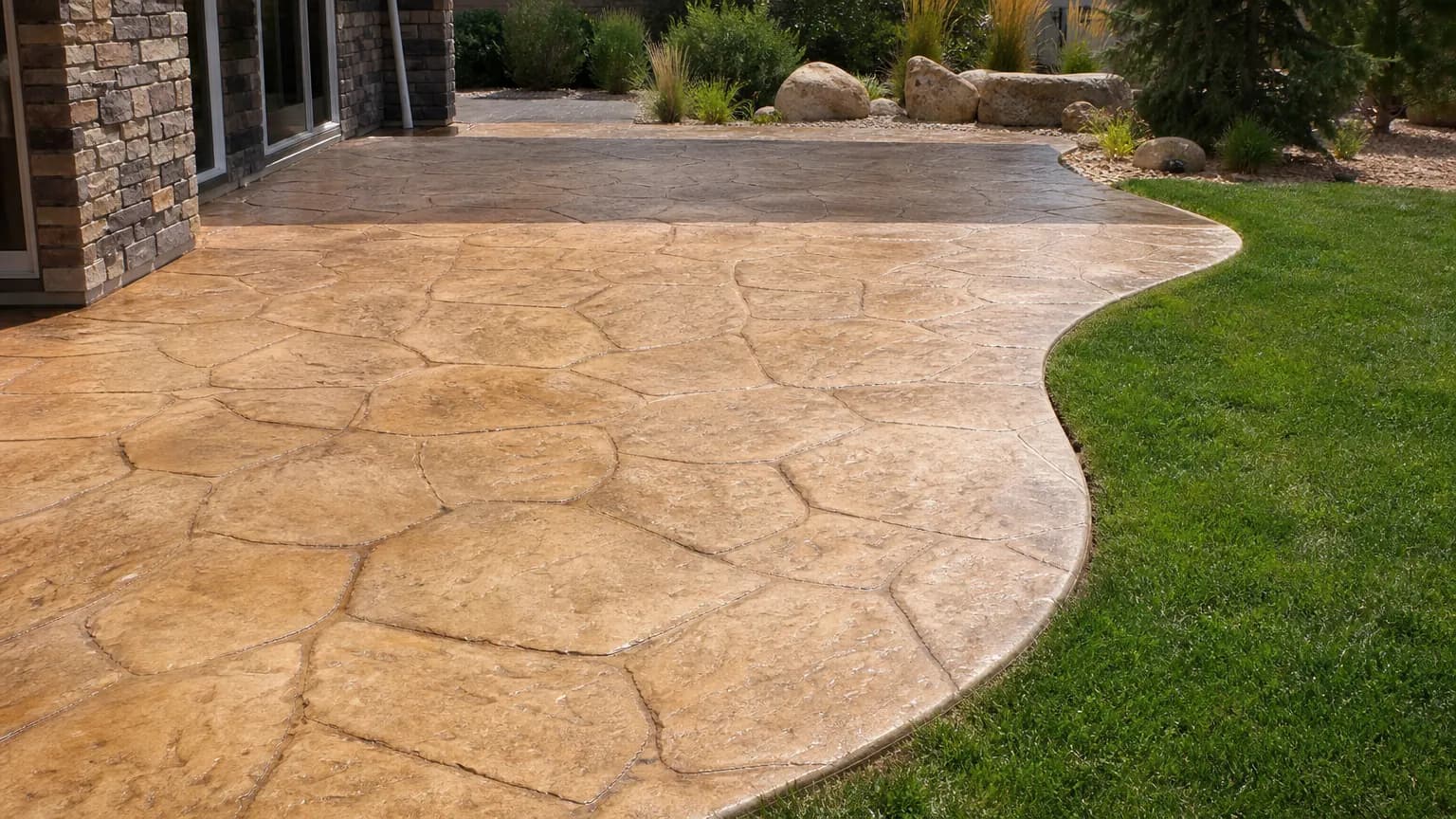
For plain broom-finish concrete in a cold climate, a penetrating silane or siloxane sealer is the usual recommendation. Decorative concrete is usually sealed with an acrylic to protect and deepen the color.
Timing
New concrete needs to cure before most sealers go on; the product label sets the wait. Sealing before the first winter is the goal for fall pours, and either way, keep deicers off new concrete in its first winter and use sand. For existing concrete, seal in dry, mild weather when the surface is clean and dry and nights won't freeze, which in Boise means late spring through early fall.
Cost
National cost guides put professional sealing at about $1.35 to $2.50 per square foot with labor, with materials alone at roughly $0.10 to $0.75 per square foot, and epoxy systems at about $3 to $7. A 600 square foot driveway works out to roughly $810 to $1,500 sealed by a pro at that range. Cleaning, stripping an old failed sealer or repairing cracks first adds to it.
Signs it's time to reseal
- Water no longer beads and darkens the concrete quickly.
- Stamped or colored concrete looks faded or chalky.
- Film sealer is peeling, cloudy or worn through in traffic lanes.
- Surface scaling is starting near the garage or the street, where salt lands.
Scaled concrete may need resurfacing before sealing makes sense. See also stamped concrete and exposed aggregate.
Back to the main guide: Boise concrete contractors.